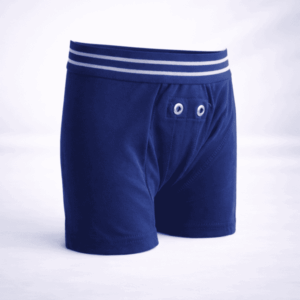
A wet bed can mean far more than extra washing. It can interrupt sleep, make staying away from home feel difficult and leave people feeling they must plan their evening around a problem they would rather keep private. Reusable nightwear for adult incontinence offers a more discreet way to manage overnight leaks, with familiar-looking sleepwear designed to absorb urine and protect bedding while you sleep.
For many adults, the right solution is not simply the most absorbent product. Comfort, fit, ease of washing and the confidence to sleep normally all matter. Reusable protective nightwear can be a practical option for regular or occasional wet nights, whether the cause is urgency, reduced mobility, a health condition or ongoing nocturnal enuresis.
What reusable nightwear is designed to do
Reusable protective sleepwear looks and feels closer to ordinary pyjamas or night trousers than a traditional continence product. It combines an absorbent inner layer with a waterproof barrier, helping to contain urine before it reaches the duvet, mattress or sheets.
The aim is straightforward: protection for tonight, with less disruption. Instead of changing all the bedding after a leak, many people can remove the nightwear, wash it and return to bed with a fresh pair available. That can be particularly helpful for couples, carers and anyone whose sleep is already affected by a health condition.
Well-designed reusable trousers should be discreet under bedclothes, soft against the skin and breathable enough for overnight wear. They are not intended to feel clinical or punitive. Continence support should protect dignity as well as the bed.
Why adults choose reusable nightwear for incontinence
Disposable pads and pull-ups can be useful, especially when away from home or when a larger capacity is needed. However, they are not always the preferred choice for every night. Some adults find reusable nightwear more comfortable, less noisy and more like their usual bedtime routine.
The practical benefit is often the reduction in laundry. Protective nightwear may prevent a small or moderate leak from soaking through to sheets and mattresses, so there is less bedding to strip, wash and dry in the middle of the night. A waterproof mattress protector can provide valuable back-up, particularly while learning how a product performs for you.
There is also an environmental consideration. Reusable garments can reduce the number of single-use continence products used over time. They do require washing, of course, so the balance depends on how frequently they are worn, the washing instructions and the household’s routine. For many people, having several pairs in rotation makes this simple and reassuring.
Choosing the right level of overnight protection
No reusable garment is identical, and absorbency needs vary. The most suitable choice depends on whether leaks are light, moderate or heavy, how often they happen and whether urine tends to escape at the waist or legs rather than through the centre of the garment.
A person with occasional small leaks may value a slim, comfortable fit that protects pyjamas and sheets. Someone experiencing heavier wetting may need a more absorbent style, a waterproof bedding layer or a combination of reusable trousers and a disposable product. Greater absorbency can mean a bulkier feel and longer drying time, so it is worth weighing protection against comfort.
Fit matters just as much as absorbency. Nightwear that is too loose can allow gaps around the legs or waist. A garment that is too tight may feel uncomfortable, leave marks or interfere with sleep. Use the manufacturer’s measurements rather than choosing solely by usual clothing size, and check that the garment sits securely when lying down as well as standing.
Think about your usual sleep position
Side sleepers, back sleepers and people who move frequently overnight may notice that leakage patterns differ. If wetness regularly reaches the waistband, back or legs, consider whether the design offers protection in those areas. A mattress protector remains sensible for added peace of mind, especially during the first few nights with a new product.
If mobility is limited, look for trousers that are straightforward to pull on and remove. For carers, easy changes and a clear washing routine can make a meaningful difference to overnight care without making the person receiving support feel exposed.
Making reusable nightwear part of a calmer routine
Preparation reduces stress. Keep clean nightwear, spare bedding and a waterproof laundry bag within easy reach. This is not assuming a wet night will happen – it is simply making sure that, if it does, the response can be quiet and practical rather than rushed.
Before wearing a new pair for an important night away, try it at home first. A familiar routine helps you understand the garment’s fit, capacity and drying time. For a weekend break, visiting family or a hospital stay, pack more than one pair so there is always a clean option while another is being washed or carried home.
Reusable protective sleepwear can also make sharing a bed feel less worrying. It offers a layer of protection and privacy, which may help people feel more relaxed about relationships and overnight stays. Open, respectful communication with a partner can help, but nobody should feel obliged to disclose personal continence information before they are ready.
Washing and caring for protective sleepwear
Following the care label is essential. Absorbent textiles and waterproof layers are designed to work together, and high heat or unsuitable products can reduce their effectiveness over time. In most cases, washing promptly after use, using the recommended temperature and allowing garments to dry fully will help keep them fresh and functional.
Avoid fabric conditioner unless the care instructions specifically permit it. Conditioner can coat fibres and reduce absorbency. Bleach and excessive heat may also damage waterproof layers. If odour persists after washing, it is worth checking that the garment is being rinsed thoroughly and dried completely rather than adding stronger products.
Having enough pairs matters. Two may be adequate for occasional use, but regular wet nights often call for several pairs so one can be worn, one washed and one kept ready. This small amount of planning can prevent a laundry emergency from becoming a reason to miss sleep, travel or social plans.
Protection is valuable, but so is looking for support
Nightwear manages the effect of wet nights. It does not necessarily address why they are happening. Adults should speak with a GP or continence professional if bedwetting is new, worsening, painful, linked with daytime symptoms or accompanied by excessive thirst, weakness, snoring, constipation, blood in the urine or unexplained weight change.
A clinician can help identify possible causes, which may include urinary tract infection, medication effects, sleep difficulties, prostate conditions, diabetes, pelvic floor concerns or neurological issues. Sudden new incontinence needs timely medical advice. There is no need to accept a change in bladder control as something to manage alone.
For adults who have experienced bedwetting since childhood, structured support may also be worth discussing. Alarm-based treatment is often associated with children, but an appropriately assessed approach can be considered for some adults too. Pjama combines discreet protective sleepwear for immediate overnight confidence with tools designed to support lasting dry nights.
A practical choice that protects more than bedding
Reusable nightwear is not about pretending incontinence is not happening. It is about giving yourself a reliable, dignified way to rest while you manage it. The right pair can reduce bedding changes, ease the worry around sleeping away and create space to seek the support that feels right.
Start with the level of protection you genuinely need, allow yourself a short trial period and keep mattress protection in place while you build confidence. A calmer night can begin with something as simple as knowing you are prepared.