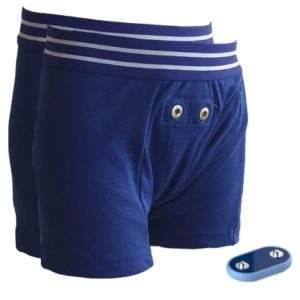
A wet bed can turn an ordinary evening into a rushed change of pyjamas, bedding and plans. Continence underwear offers a more discreet way to manage those nights, helping children and adults stay comfortable while protecting the bed and reducing the amount of laundry waiting in the morning.
For many families, the biggest benefit is not simply absorbency. It is the chance for a child to feel less singled out, to settle back to sleep more easily and to say yes to a sleepover or school trip with greater confidence. Protection can make tonight calmer, while the right longer-term support can help work towards lasting dry nights.
What continence underwear is designed to do
Continence underwear is absorbent, washable underwear or sleepwear made to contain urine leakage. Unlike ordinary pyjamas worn over a disposable product, reusable protective trousers are designed with built-in absorbent layers and a waterproof yet breathable outer layer. They look and feel closer to normal nightwear, which matters when dignity and independence are part of the goal.
The amount of protection varies. Some styles are suitable for lighter leaks or the final stages of toilet training; others are designed for a full wetting and give more dependable overnight protection. A well-designed product should draw moisture away from the skin, hold liquid within its absorbent core and help prevent it reaching sheets, duvets or mattresses.
It is worth being clear about one trade-off. Highly absorbent protective sleepwear can make wet nights much easier to manage, but it does not itself teach the body to wake to a full bladder. Where bedwetting is continuing and a child is ready to work towards dry nights, an alarm-based programme may be the more appropriate treatment route. The two approaches can sit alongside each other: protection for reassurance now, structured treatment for change over time.
Choosing continence underwear for overnight use
The best choice depends on who will wear it, how much protection is needed and how independently they need to manage changes. Age alone is not a useful guide. A smaller child who wets heavily may need a different level of absorbency from an older child with occasional wet nights, while an adult may prioritise a close fit and a more understated style.
Prioritise fit, comfort and ordinary-looking design
Protective underwear needs to fit snugly around the waist and legs without digging in. Gaps can allow leaks to escape, while a fit that is too tight can feel uncomfortable and discourage a child from wearing it. Always use waist and hip measurements alongside the manufacturer’s sizing guidance rather than choosing purely by clothing age.
For children, normal-looking trousers can protect confidence. They are especially useful when a child changes independently, shares a room with siblings or is packing for a trip away. Soft fabrics, quiet materials and a design that does not feel bulky under nightwear can make a genuine difference to whether the product is accepted as part of a bedtime routine.
Match absorbency to the real situation
Think about a typical wet night rather than the best night. Does wetting happen once, early in the night, or is there enough urine to soak through bedding? Does the wearer wake and use the toilet after a leak, or sleep through it? These details help determine whether absorbent trousers alone are likely to be sufficient or whether bedding protection is also sensible.
If someone drinks heavily close to bedtime, has constipation, or is unwell, their needs may temporarily change. Continence products are there to provide peace of mind, not to demand perfection from the wearer. Adding a washable waterproof sheet or mattress protector can provide a useful second layer of security, particularly while you are learning what level of protection works.
Check how the garment is washed and dried
Reusable underwear should make life easier over repeated use. Look for clear washing instructions, materials that retain their performance when washed properly and a design that dries within a manageable time. Many families find that having two or three pairs in rotation avoids pressure on laundry days.
Avoid fabric conditioner unless the care instructions say it is suitable, as it can affect the absorbent or waterproof layers in some garments. Rinsing or washing promptly after use also helps keep nightwear fresh. These small practical steps protect the garment’s performance and make reusable protection more economical over time.
Protection should never feel like a punishment
Children rarely choose bedwetting, and shame does not help them become dry. Language matters. Calling protective sleepwear a practical bedtime option, rather than making it a consequence of a wet bed, keeps the focus on comfort and confidence.
Let your child have an age-appropriate say where possible. They may prefer a particular style, want to help pack their overnight bag, or choose where spare trousers and a waterproof bag are kept. That sense of control can be particularly valuable before a sleepover, holiday or school residential trip.
It can also help to keep the response to a wet night calm and predictable. Change into dry clothes, protect sleep where possible and deal with laundry in the morning. Praise effort around routines, such as using the toilet before bed or helping with a change, rather than praising dry nights as if they are something a child can simply decide to achieve.
When protection is enough, and when to consider treatment
There is no single right time to move from managing wet nights to active treatment. Some families need a dependable solution while life is busy, the child is anxious about sleepovers, or they are waiting for a clinical appointment. In those circumstances, reusable protective sleepwear can ease the immediate burden without making bedwetting the centre of family life.
An alarm is often considered when bedwetting is regular, the child is motivated to work towards dry nights and the household can support consistent use. The alarm sounds when moisture is detected, helping the brain gradually learn to respond to the sensation of a full bladder. It takes commitment and may initially disturb sleep, so it is not always the easiest option for every family at every moment.
A structured system can make that process more manageable. Pjama DryGuardians combines a clinically tested alarm with sensor-compatible underwear, digital support for parents and progress monitoring, so treatment does not rely on guesswork alone. Absorbent treatment trousers can also help families continue with the programme while limiting disruption to bedding.
For adults, the same principle applies: discreet protection can restore confidence straight away, but persistent nighttime incontinence deserves appropriate medical advice. New symptoms, pain when passing urine, excessive thirst, daytime wetting, repeated urinary infections, constipation or changes in bowel control should be discussed with a GP. Children should also be assessed if bedwetting starts again after a sustained dry period, occurs with concerning daytime symptoms, or is affecting their wellbeing significantly.
Making nights away feel possible
Continence underwear can be particularly helpful outside the familiarity of home. A child who worries that a friend will notice a disposable product may feel more relaxed in protective nightwear that resembles ordinary pyjamas. For an overnight stay, pack spare underwear, nightwear, a discreet waterproof bag for used items and a simple plan for where clean clothes are kept.
You do not need to share more information than is necessary. A trusted adult, such as a host parent or school staff member, may need a brief practical explanation so they can help discreetly if needed. Many children prefer to agree this in advance rather than worry about how to handle it in the middle of the night.
The aim is not to make a child responsible for a condition they cannot control. It is to give them a workable plan, so bedwetting does not automatically mean missing out.
A calmer route through wet nights
The right continence underwear can give a family breathing space: less stripped bedding, fewer rushed changes and more confidence at home and away. Choose protection that fits the level of need, feels comfortable enough to wear and can be cared for realistically within your routine.
Most of all, keep the message gentle. Wet nights are a health and development issue, not a failure. With discreet protection for now and the right support when treatment is appropriate, confidence can grow one peaceful night at a time.