A wet bed at 2am can feel much bigger than a load of washing. It can interrupt sleep, create worry before a school trip or sleepover, and leave a child feeling singled out when they need reassurance most. A bedwetting mattress protector gives families a practical layer of protection for tonight, helping to keep the mattress dry while preserving comfort, routine and dignity.
The right protector will not stop bedwetting on its own, but it can take the pressure out of managing it. That matters. When everyone is less exhausted by wet bedding, there is more space to support a child calmly – and, if needed, to begin a treatment plan aimed at lasting dry nights.
What a bedwetting mattress protector should do
At its simplest, a mattress protector sits between the sleeper and the mattress. Its job is to prevent urine reaching the mattress while still allowing the bed to feel like a normal bed. A good one should be waterproof, comfortable, securely fitted and easy to wash.
The detail matters because bedwetting is rarely a one-off practical problem. Protectors that shift in the night, feel noisy under the sheet or make the bed overheat can disturb sleep and create another source of frustration. Equally, a protector that only covers the middle of the bed may not be enough for children who move around while sleeping or for heavier wet nights.
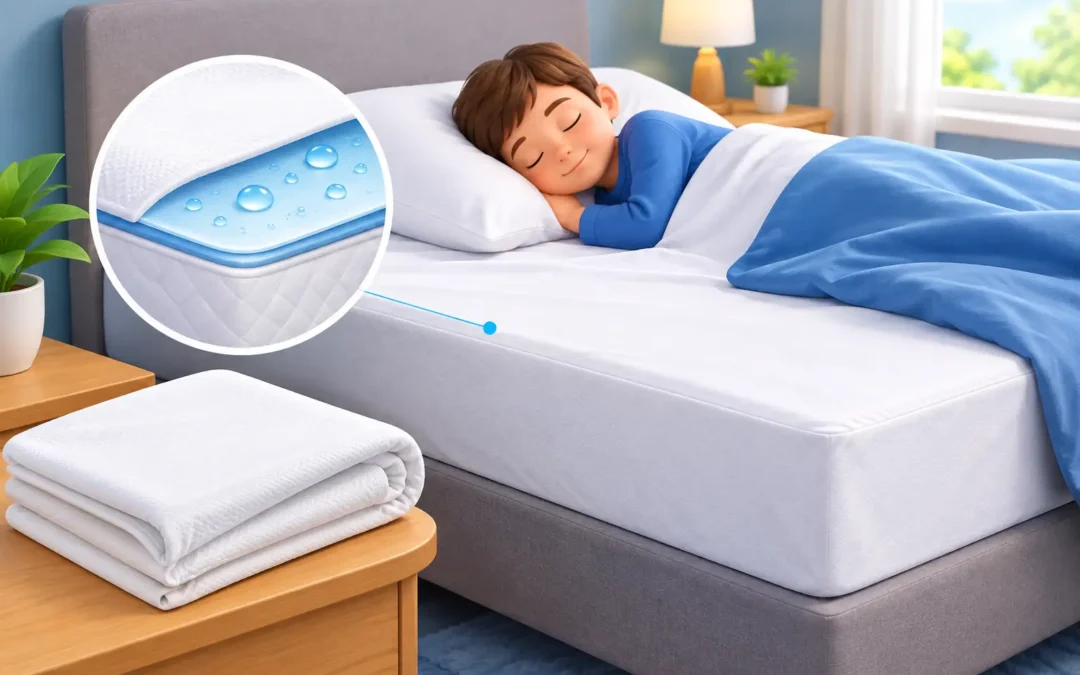
Look for a full mattress protector with a waterproof layer and an absorbent or soft fabric surface. The waterproof layer protects the mattress; the upper layer helps manage moisture and makes the bed feel more comfortable. A fitted design that wraps around the mattress is usually the most dependable choice for regular use.
For occasional accidents, a simple waterproof fitted protector may be all a family needs. For frequent bedwetting, many parents find it helpful to use a protector alongside a washable absorbent layer or protective sleepwear. This can reduce the amount of bedding that needs changing overnight and provide extra reassurance away from home.
Mattress protector types: choose for the night you are managing
There is no single best bedwetting mattress protector for every household. The right choice depends on how often wet nights happen, how much laundry feels manageable and whether the child needs protection at home, on holiday or at a sleepover.
Fitted waterproof mattress protectors
These fit like a fitted sheet, covering the top and sides of the mattress. They are a strong everyday choice because they stay in place and protect the mattress from leaks that spread beyond one area. They are especially useful when bedwetting is regular or unpredictable.
Choose a depth that suits the mattress. A protector that is too small can pull loose at the corners, while one that is overly loose can bunch beneath the sheet. Check whether it can be tumble dried if that would make family laundry easier, but follow the care instructions closely as heat can affect waterproof fabrics over time.
Zipped mattress encasements
An encasement completely surrounds the mattress and closes with a zip. It can offer thorough protection, particularly for a newer or more expensive mattress, and can remain on beneath a standard fitted protector.
The trade-off is practicality. If it becomes wet, it is more involved to remove and wash than a fitted protector. Many families use an encasement as a longer-term mattress safeguard, then add a fitted waterproof protector on top for day-to-day wet nights.
Washable absorbent bed pads and layers
Absorbent pads are placed on top of the fitted sheet or under the sleeper. They can be useful for quick overnight changes, because only the top layer may need replacing. For some children, this means less disruption and a faster return to sleep.
However, pads can move if they are not well secured, and they do not always protect the full mattress surface. They work best as an additional layer rather than the only line of defence, particularly when wetting is heavy or the sleeper moves frequently.
Comfort is not a luxury
A protector should support sleep, not make it harder. Some waterproof materials can feel warm, crinkly or less breathable. Children who are sensitive to textures may notice this straight away, while others may be bothered only after several warm nights.
A soft, quiet top layer and a secure fit can make a significant difference. If possible, wash the protector before first use, following its instructions. This can soften the fabric and helps make the change feel like part of ordinary bedding, rather than a visible response to bedwetting.
It can also help to involve a child in choosing bedding colours or putting the bed together, without making them responsible for the problem. The message is simple: this is equipment that makes nights easier, not a punishment or a sign that they have done something wrong.
How to make night-time changes easier
The most effective setup is often the one that reduces decisions at 2am. Keep a spare fitted sheet, pyjamas and protector within easy reach. Some families layer bedding so that a clean sheet and protector are already beneath the top set, allowing them to remove the wet layers and remake the bed quickly.
This approach will not suit every child. Layering can make a bed feel warmer, and some children dislike the extra texture. If comfort is affected, it may be better to use one quality protector and keep replacement bedding prepared nearby.
Avoid asking a child to strip and remake the bed alone unless they want that independence and it is realistic for their age. A calm, matter-of-fact response protects confidence far more than a perfectly tidy night-time routine. Keep lights low, use neutral language and focus on everyone getting back to sleep.
Protection for tonight, support for lasting dry nights
A mattress protector manages the result of bedwetting. It does not address why it is happening, and that distinction can be helpful for families who have been trying to cope for months or years.
Bedwetting is common and is not caused by laziness, bad behaviour or a child failing to try hard enough. Some children sleep very deeply, some produce more urine overnight, and some have not yet developed the pattern of waking when their bladder is full. Constipation, stress, illness and changes in routine can also affect wet nights.
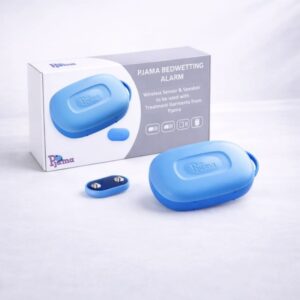
If a child is regularly wet at night and wants help to become dry, an alarm-based approach may be appropriate. Bedwetting alarms are designed to respond at the first sign of moisture, helping the child gradually learn to wake and respond to bladder signals. This takes consistency and family support, and progress is not always linear, but it can offer a route beyond simply containing wet nights.
Pjama combines discreet reusable protection with structured alarm treatment options, so families can protect the bed while working towards greater confidence and lasting dry nights. Protection and treatment are not competing choices. For many households, using both removes immediate stress while keeping sight of a longer-term goal.
When to ask for professional advice
Speak with a GP or continence professional if bedwetting starts again after a child has been dry for at least six months, or if there are daytime wetting symptoms, pain when passing urine, excessive thirst, constipation, snoring or other concerns. Professional advice is also worthwhile when bedwetting is causing significant distress, affecting school trips or sleepovers, or placing a heavy strain on family life.
Adults experiencing night-time incontinence should also seek medical advice, especially when it is new, worsening or accompanied by other symptoms. Discreet bedding protection can offer immediate peace of mind, but nobody should feel they must manage a change in continence alone.
A dry mattress is useful, but the greater value of a well-chosen protector is often emotional: it makes room for normal evenings, calmer nights and plans that do not have to be cancelled because of a worry about the bed. Start with the protection that makes tonight feel more manageable, then take the next step at a pace that feels right for your family.