A wet bed can turn an ordinary morning into a rush of laundry, reassurance and disrupted routines. The best nightwear for overnight leaks is not simply the most absorbent option. It is sleepwear that feels comfortable, looks discreet, stays secure through the night and gives your child, or you, the confidence to sleep without worrying about the mattress.
For families managing bedwetting, the right protection can make a meaningful difference tonight. It can reduce bedding changes, make sleepovers feel more possible and help everyone approach wet nights with less stress. At the same time, it is useful to see protective nightwear for what it is: practical support, not a cure. If lasting dry nights are the goal, protection can sit alongside an appropriate treatment plan.
What makes the best nightwear for overnight leaks?
Protective sleepwear has a difficult job. It needs to absorb fluid quickly, contain it safely and prevent it reaching pyjamas, sheets and the mattress. Yet it also needs to feel like ordinary nightwear, rather than a bulky or embarrassing medical product.
The best choice will depend on the amount of urine, how often wet nights happen, the sleeper’s age and body shape, and where the nightwear will be used. A child who occasionally wets near morning may need a different level of protection from an adult with heavier overnight incontinence. There is no single garment that suits every situation.
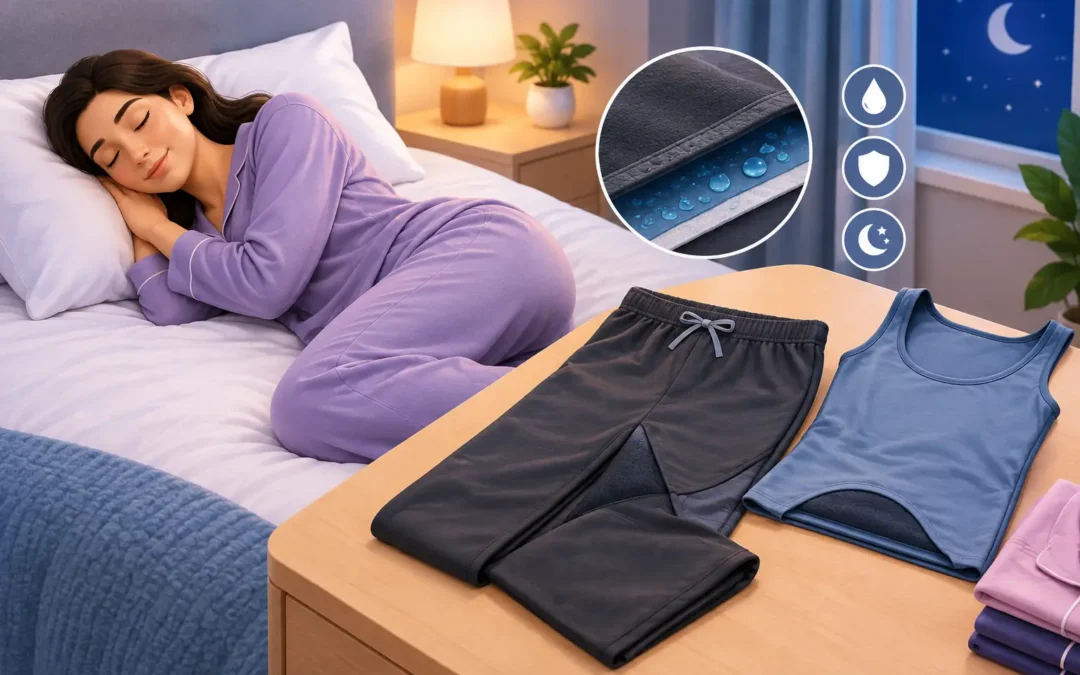
Look first for nightwear with an absorbent inner layer and a waterproof yet breathable outer barrier. This combination draws wetness away from the skin while helping to contain it. Breathability matters because a garment that becomes hot or clammy can disturb sleep and cause discomfort, particularly for children who already feel self-conscious about wearing protection.
Fit matters just as much as absorbency. Gaps around the waist or legs can allow leaks to escape, while a garment that is too tight can feel restrictive and leave marks. Protective trousers should sit comfortably and securely, allowing the wearer to turn, curl up and move naturally in bed.
Reusable protective trousers versus disposable products
Disposable pads and pull-ups can be useful, particularly for travel or when washing facilities are limited. They are quick to use and can suit some families well. However, they may feel bulky, rustle under pyjamas and leave a child feeling different from friends or siblings.
Reusable protective nightwear offers a more underwear-like alternative. It is designed to be washed and worn again, which can reduce household waste and the repeated cost of disposables. For many children and adults, the greatest benefit is emotional: the garment can look and feel much closer to normal sleepwear.
The trade-off is that reusable trousers need washing and drying time. It is sensible to keep more than one pair available, especially if wet nights are frequent. Follow the care instructions carefully, as high heat, fabric softener or bleach can affect the performance of waterproof layers in some garments.
A combination can work well too. Reusable nightwear may be the everyday choice at home, while disposable products provide a back-up for holidays, long journeys or unfamiliar accommodation. The aim is not perfection. It is finding a routine that protects sleep and preserves dignity.
Choose enough absorbency, without unnecessary bulk
More absorbency is not always better. A very heavily padded garment may be reassuring for substantial leaks, but it can feel warm and bulky for someone with lighter or occasional wetting. It may also take longer to dry after washing.
Consider when wetting usually happens and how much fluid is involved. If a child tends to wet once overnight, protective trousers with integrated absorbency and a waterproof layer may be enough. If leaks are heavier, occur more than once or regularly escape clothing, extra protection may be needed beneath or around the bed.
A washable waterproof sheet or mattress protector remains worthwhile even when using absorbent nightwear. It protects against unexpected overflow and means that one difficult night does not have to result in replacing a mattress. Think of this as a layered approach: protective underwear manages the wetting close to the body, while bedding protection provides a dependable second line.
Prioritise comfort against the skin
Comfort has a direct effect on whether protective nightwear will actually be worn. Soft, textile-based fabrics are often preferable to scratchy or plastic-feeling materials, especially for children with sensitive skin. A soft waistband, smooth seams and flexible fabric can make the difference between a garment that is accepted easily and one that is resisted at bedtime.
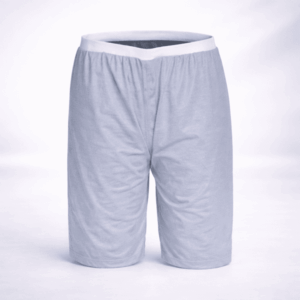
For younger children, familiar-looking styles can reduce fuss. For teenagers and adults, discretion may be the priority. A design that resembles ordinary shorts, pyjama bottoms or underwear can help protect privacy during family holidays, hospital stays or sleepovers.
Let the wearer have a say where possible. Choosing a size, style or colour together is a small but valuable way to maintain independence. Bedwetting is never a child’s fault, and they should not feel punished by the protection they wear.
Getting the fit right
Always use the manufacturer’s size guide rather than choosing by age alone. Waist and hip measurements generally give a more reliable result, particularly for children between sizes or adults with different body proportions.
When trying protective trousers, check that the absorbent area sits where it needs to when lying down, not only when standing. The waistband should stay in place without digging in, and the leg openings should sit close enough to contain fluid without pinching. If the garment rides down, twists or leaves deep red marks, try a different size or style.
It can help to test new nightwear at home before relying on it for a sleepover or trip. That gives the wearer time to get used to the feel and lets you see whether the absorbency is appropriate. A calm trial night is far kinder than discovering a poor fit in an unfamiliar bedroom.
Make overnight protection part of a calmer routine
Nightwear works best when it is simply one familiar step in the bedtime routine. Keep clean trousers and spare bedding within easy reach, use a waterproof mattress protector, and have a discreet laundry plan ready for the morning. This reduces the sense of crisis if a wet night happens.
Avoid making bedtime feel like an inspection. A brief, matter-of-fact routine is usually more helpful: toilet before sleep, put on comfortable protective nightwear, then move on to a story, music or whatever helps the household settle. Praise effort and confidence rather than focusing on whether the bed is dry.
For sleepovers, pack protective nightwear in an ordinary overnight bag with spare pyjamas and a discreet wet bag. Some children prefer to change privately in the bathroom, while others are happy to manage independently. Discuss the plan beforehand, but let them decide how much they want to share.
Protection for tonight, treatment for lasting dry nights
Absorbent sleepwear protects bedding and confidence, but it does not teach the body to wake to a full bladder. Where bedwetting is ongoing and a child is ready to work towards dry nights, an alarm-based programme may be worth discussing with a healthcare professional.
Alarm treatment requires consistency and family support, so immediate protection remains valuable during the process. Sensor-compatible underwear and optional protective treatment trousers can help families manage the practical reality of wet nights while they follow a structured approach. Pjama’s Protect range is designed for this kind of discreet, reusable overnight reassurance.
Speak with a GP or continence professional if bedwetting starts suddenly after a period of dryness, comes with pain, constipation, excessive thirst, daytime symptoms or emotional distress. Adults experiencing new or worsening nighttime incontinence should also seek medical advice. These signs deserve proper assessment, not quiet endurance.
The right nightwear cannot promise a dry bed every morning, but it can remove much of the disruption and embarrassment from the nights that are still wet. A comfortable, well-fitting layer of protection gives families room to rest, recover and keep moving towards the support that feels right for them.