A wet bed at 2am can turn a normal night into a full bedding change, a tired child and a parent trying to make everything feel matter-of-fact. Bedwetting pyjamas are designed to reduce that disruption. They look and feel like ordinary sleepwear while adding absorbent, washable protection where it is needed most – helping children, adults and families manage wet nights with more comfort, dignity and peace of mind.
They are not a punishment, and they should never be presented as one. The right protective sleepwear gives a child a practical backup while they develop confidence, attend sleepovers or work towards lasting dry nights.
What are bedwetting pyjamas?
The term bedwetting pyjamas is often used for reusable absorbent sleepwear, usually protective pyjama trousers. From the outside, they resemble regular soft pyjama bottoms. Inside, carefully placed layers absorb urine, help contain moisture and reduce the risk of it reaching the duvet, mattress or sleeping bag.
Unlike disposable products, reusable protective trousers can be washed and worn again. This can make them a useful choice for families managing regular bedwetting, as well as for adults who want overnight protection that feels less clinical and more like normal nightwear.
Protection levels vary. Some styles are intended to manage smaller leaks, while more absorbent designs are made for fuller wettings. No garment can guarantee that every bed will stay completely dry in every situation. The amount of urine, sleeping position, fit and how quickly the child wakes or changes all affect performance. A waterproof mattress protector remains sensible extra protection, particularly while you are learning what works for your family.
Why protective sleepwear can make such a difference
The most obvious benefit is less laundry. When the sleepwear absorbs and contains much of the wetness, there may be fewer full changes of sheets and less need to wash duvets or clean a mattress. On a busy school night, that practical difference matters.
There is an emotional benefit too. Children are often far more aware of bedwetting than adults realise. Worry about a wet bed can make them reluctant to stay with grandparents, join a school residential trip or invite a friend for a sleepover. Discreet protective trousers can provide a reassuring layer of backup without making bedtime feel medical or embarrassing.
For adults, normal-looking washable sleepwear can support privacy at home, when travelling or when staying away. The aim is not to ask anyone to lower their expectations of sleep, comfort or independence. It is to make wet nights easier to manage while the underlying cause is considered and, where appropriate, treated.
Choosing bedwetting pyjamas that suit your needs
Fit comes first. Protective trousers need to sit comfortably at the waist and around the legs, without gaps that may allow leaks to escape. Sizing should be based on the manufacturer’s measurements rather than age alone. A child may be tempted to choose a looser size for comfort, but an overly loose fit can reduce the effectiveness of the absorbent area.
Next, consider the level and pattern of wetting. A child who has an occasional small leak may need something different from a deep sleeper who has a full wetting most nights. If wetting is frequent or heavy, look for trousers with a generous absorbent zone and combine them with bedding protection. Having two or three pairs can also make routines easier, particularly if one pair is in the wash.
Comfort is not a minor detail. Soft, breathable fabric helps sleepwear feel familiar, while a slim and discreet design can help a child feel more confident putting it on. Thick or stiff garments may be less appealing for older children and teenagers, who are likely to value a style that looks as close to ordinary pyjamas as possible.
It is also worth checking the practical information before buying: washing instructions, tumble-drying guidance, drying time and whether the garment is suitable for travel. Reusable protection needs to fit real family life, not create another complicated task at the end of the day.
Using protective pyjamas without making bedtime stressful
Introduce the trousers calmly and explain their purpose in simple language: they are there to help everyone get back to sleep if an accident happens. Avoid language that suggests blame, such as telling a child they “should” be dry by now. Bedwetting is common, and it is not laziness or a sign that a child is doing something wrong.
For younger children, it may help to include protective sleepwear in an ordinary bedtime routine alongside pyjamas, toothbrushing and a toilet visit. For older children, give them as much control as possible. They may want to choose when to wear them, pack them for a trip themselves or keep a spare pair discreetly in their overnight bag.
If a wet night happens, keep the response low-key. Change into dry clothes, place the wet trousers somewhere suitable for washing and settle back to sleep. Praise effort and cooperation rather than dryness alone. The message should be: this is manageable, and you are supported.
Care that protects comfort and performance
Wash reusable protective pyjamas according to their care label. In general, avoiding fabric conditioner is often recommended for absorbent textiles because it can coat fibres and reduce absorbency over time. Do not assume that a hotter wash or bleach will improve performance – it may damage waterproof layers or shorten the garment’s lifespan.
It is useful to rinse or wash soiled trousers promptly, then allow them to dry fully before reuse. If you notice leaking after a period of successful use, first check the fit, washing routine and whether the absorbent area is becoming saturated. A change in the volume of wetting can also be relevant.
Protection for tonight and treatment for lasting dry nights
Bedwetting pyjamas provide immediate, practical protection. They can make nights more comfortable while a family waits for an appointment, builds confidence around a sleepover or simply needs a break from changing bedding. But they do not train the bladder or wake the sleeper in response to wetting.
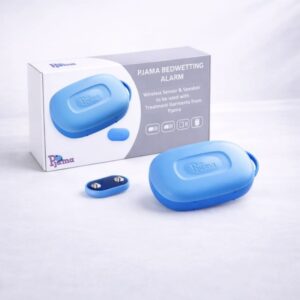
For children aged five and over who wet regularly, an enuresis alarm may be considered as part of a structured approach, particularly where the child and family are ready to engage with it. An alarm detects moisture at the start of a wetting episode and prompts the child to wake, use the toilet and gradually learn to respond to a full bladder during sleep. It takes consistency and support, and progress is rarely perfectly linear.
This is where protection and treatment can work alongside each other. Absorbent treatment trousers can reduce the practical impact of accidents while an alarm programme is underway, helping families stay consistent without feeling overwhelmed by laundry. Systems such as Pjama DryGuardians pair clinically tested alarm technology with sensor-compatible underwear, app-based support and progress monitoring, offering a more structured route for families seeking lasting dry nights.
Not every child needs the same route. Occasional wetting may be well managed with practical protection and reassurance. Regular wetting, distress, or a wish to become dry may call for advice from a GP, school nurse or continence service. Seek medical advice sooner if bedwetting begins suddenly after a child has been dry, occurs alongside daytime wetting, constipation, pain when passing urine, excessive thirst, snoring or changes in general health.
Sleepovers, holidays and school trips
Overnight stays can feel like a major milestone when bedwetting is part of family life. Planning ahead allows the focus to stay on the fun rather than the worry. Protective pyjamas, a discreet waterproof bag for used items and spare underwear can often be packed without drawing attention. A sleeping-bag liner or travel-sized bedding protection may also be useful, depending on the setting.
Talk through the plan with your child before they go. Agree on what they would like an adult to know, if anyone, and how they can manage a change of clothes privately. Older children may prefer a quiet word with a trusted teacher or host; others may feel comfortable handling it independently. Their preference should lead wherever possible.
A calm plan does more than prevent inconvenience. It tells a child that bedwetting does not have to decide whether they can take part. With dependable protection for tonight and the right support for the future, they can keep saying yes to the experiences that matter.