A wet bed at 2am is rarely just a laundry problem. It can disturb a child’s sleep, leave parents exhausted, and make sleepovers or school trips feel harder than they need to be. When weighing up absorbent sleepwear versus waterproof sheets, the right choice depends on what needs protecting most: your child’s comfort and independence, the mattress, or both.
Neither option is a sign that anyone has done something wrong. Bedwetting is common, and practical protection can give families breathing space while they manage wet nights or work towards lasting dry nights.
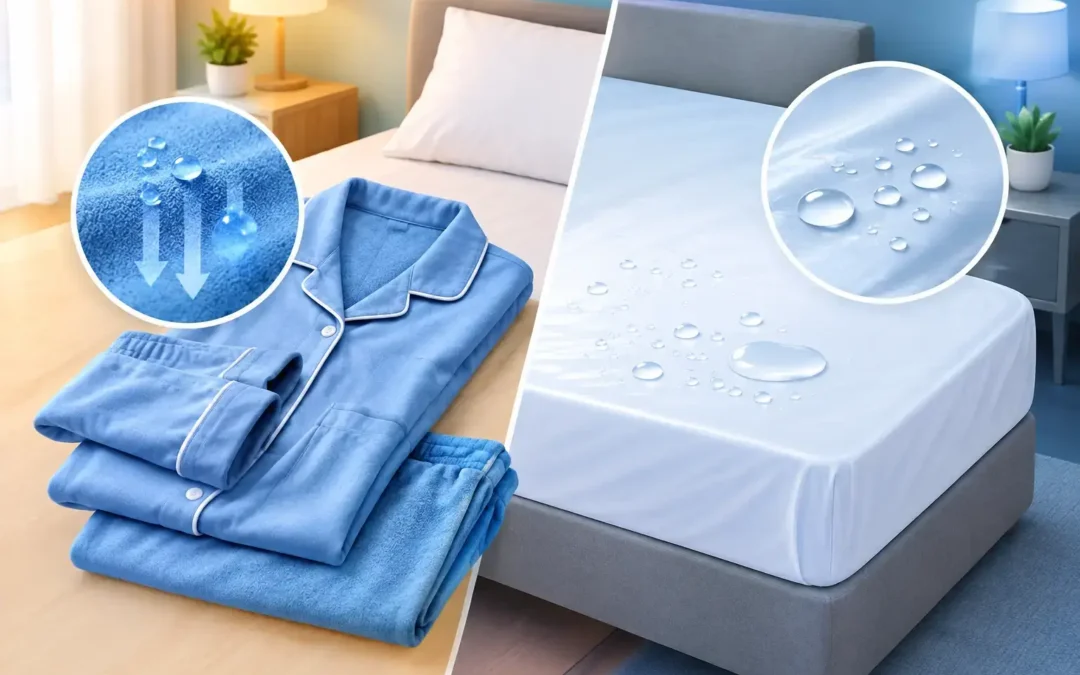
Absorbent sleepwear versus waterproof sheets: the key difference
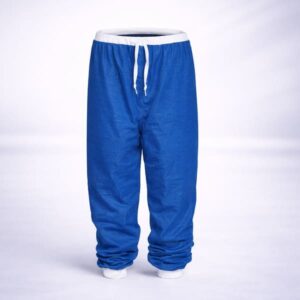
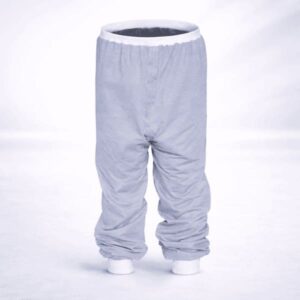
Absorbent sleepwear is worn by the person sleeping. It looks and feels more like ordinary pyjamas or trousers than traditional continence products, but has built-in absorbent layers designed to hold urine and help contain a wet night. Its purpose is to protect the wearer’s clothing and the bed while preserving dignity and making changes more manageable.
Waterproof sheets sit on the bed, usually as a fitted waterproof layer or a protective sheet placed over the bottom sheet. They protect the mattress and, depending on the style, may contain a degree of moisture before the bedding needs changing. Their primary job is mattress protection rather than absorption close to the body.
For some families, waterproof bedding is enough. For others, especially where there is a larger volume of urine or a child moves a lot in their sleep, absorbent sleepwear offers more reliable containment. Many find that using both provides the most peaceful solution: sleepwear to absorb and contain, with a waterproof layer as a back-up for the mattress.
When absorbent sleepwear may be the better choice
Absorbent sleepwear is often helpful when wet nights are regular, when a child dislikes the feeling or appearance of disposable products, or when changing a full bed feels particularly disruptive. It can also be a reassuring option for holidays, family visits and overnight stays, where privacy matters and spare bedding may not be readily available.
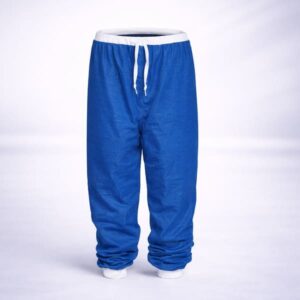
Because protection is worn rather than placed only on the bed, it moves with the sleeper. This can reduce the chance that urine travels beyond the protected area when a child changes position. Good reusable protective trousers are designed with absorbent material where it is needed and a waterproof outer layer to help prevent leaks reaching bedding.
There is also an independence benefit. Older children and teenagers may be able to manage changing into fresh sleepwear more discreetly than stripping a bed in the middle of the night. Adults with nighttime incontinence may value the same privacy, particularly when sharing a room or staying away from home.
Comfort still matters. Absorbent garments can feel warmer or bulkier than standard pyjamas, particularly in summer, and capacity varies between products. Choosing the correct size is essential: a loose fit can allow gaps around the legs or waist, while an overly tight fit may be uncomfortable and less practical overnight.
Protection for the person, not only the mattress
A waterproof sheet may save the mattress, but it does not necessarily stop pyjamas, duvets and the sleeper’s skin becoming wet. That distinction matters for children who wake upset by the sensation of dampness or who develop skin irritation from prolonged contact with moisture.
Absorbent sleepwear can help keep moisture contained close to the garment’s absorbent core. It will not always eliminate every bedding change, particularly after a very heavy wetting, but it can significantly reduce the scale of the clean-up and help a child return to sleep sooner.
When waterproof sheets make sense
Waterproof sheets are a simple, useful first line of defence for the bed. They are particularly practical for occasional wet nights, for children who do not want to wear absorbent clothing, or where the main priority is protecting a new or difficult-to-replace mattress.
A fitted waterproof mattress protector sits beneath the bottom sheet and protects the mattress from moisture. It is useful for everyday reassurance, but a wet night may still mean washing the sheet, duvet cover and nightwear. A waterproof sheet placed over bedding can be quicker to remove, although it may feel less like a conventional bed set-up and can shift if it is not well secured.
Materials make a real difference. Some waterproof protectors can feel crinkly, hot or slippery, which may affect sleep for a child who is sensitive to texture. Breathable designs are generally more comfortable, but they still cannot absorb as much fluid as specialist sleepwear. Check whether a product is waterproof, absorbent, washable at the required temperature, and suitable for tumble drying if that is part of your routine.
For families dealing with infrequent accidents, the convenience may outweigh the limitations. For frequent bedwetting, relying on sheets alone can mean repeated full bedding changes and more overnight disruption.
The laundry question: less washing or easier washing?
It is tempting to compare products only by how much laundry they prevent. In practice, the better question is whether they make wet nights easier for your household to manage.
Waterproof sheets can protect a mattress very effectively, but may leave several other layers wet. Layering the bed can help: a waterproof protector beneath a sheet, followed by another waterproof layer and sheet, gives you a quick top-layer change during the night. This is useful, but it can still create a pile of washing by morning.
Absorbent sleepwear may mean washing one garment rather than changing all the bedding after a lighter or moderate wetting. Reusable options need to be washed after use and dried fully before being worn again, so having enough pairs to cover your usual washing routine is sensible. Avoid fabric conditioner unless the care instructions say otherwise, as it can affect the performance of some absorbent fabrics.
For frequent wet nights, a combined approach often reduces the biggest jobs. Protective sleepwear handles the immediate accident, while a waterproof mattress protector offers reassurance if there is a leak or the garment reaches capacity.
Choosing for sleepovers, school trips and holidays
The right protection at home is not always the right protection away from home. A child might be comfortable with a waterproof sheet in their own bedroom but worry that it will be noticed at a sleepover. In these situations, discreet absorbent sleepwear can offer a greater sense of control.
Pack spare sleepwear, a small waterproof bag for used items and familiar toiletries. If your child is old enough, agree a quiet plan for what they would like to do if they wake wet. The aim is not to make them responsible for a condition they cannot control, but to give them options without drawing attention to it.
For younger children, carers can keep the plan simple: a spare pair nearby and a calm, matter-of-fact change if needed. Confidence often grows when a child sees that wet nights are manageable, even away from home.
Protection now and treatment for lasting dry nights
Absorbent products and waterproof sheets are practical tools. They reduce stress, protect sleep and allow family life to continue. They do not, however, treat the underlying pattern of bedwetting.
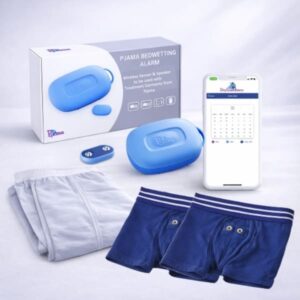
For children aged five and over who wet the bed regularly, an alarm-based approach may be appropriate, particularly when the family is ready to follow a consistent routine. Bedwetting alarms work by detecting moisture early and helping the brain learn to respond to a full bladder during sleep. Progress can take time, and support with routines and motivation matters.
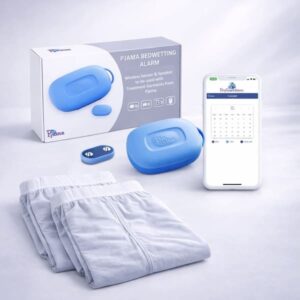
Pjama’s approach recognises that families may need both routes at different times: protection for tonight, alongside structured treatment support for lasting dry nights. Protection is not a failure or a delay. It can make treatment feel more manageable by reducing exhaustion, embarrassment and the practical burden of wet bedding.
Speak with a GP or continence professional if bedwetting begins suddenly after a child has been dry, occurs with daytime wetting, pain, constipation, excessive thirst or other changes in health. Professional advice can also help adults with new or worsening nighttime incontinence.
The most helpful choice is the one that lets everyone get more rest tonight while keeping the door open to progress tomorrow. Whether that means a waterproof sheet, absorbent sleepwear, or both, calm and discreet preparation can make a real difference.